
How To Properly Operate a Drone Over a Lake
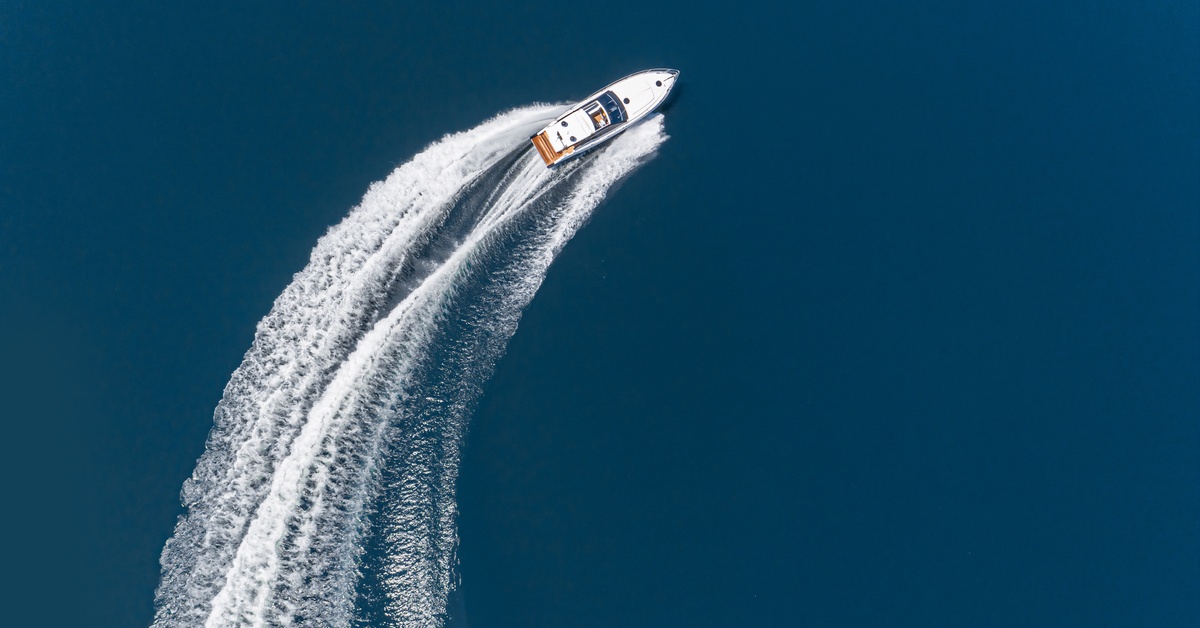
Flying a drone over a lake looks simple until wind, glare, and a lack of landing spots start working against you. Water can confuse sensors, reduce contrast for tracking, and make it harder to judge height. If you’re thinking of taking your drone out for a spin over Lake Travis, check out our tips below on how to properly operate it.
Start With Legal and Safety Checks
Before you power on, confirm you have permission to fly where you are and that your flight path won’t cross crowds or restricted areas. Maintain a visual line of sight and keep a safe distance from people, docks, and boats. If other watercraft are moving nearby, wait for a quieter moment so you don’t distract anyone or create a hazard.
Pick The Right Takeoff and Landing Spot
Choose a stable, dry surface with plenty of clearance behind and above you. Avoid sandy edges that can blow debris into motors, and avoid launching from moving platforms if you’re new to water flights. If you must launch from a dock, use a clear area away from railings and keep your drone at chest height only if your manufacturer approves a hand launch.
Avoid “No-Exit” Flight Paths
Over a lake, you can’t always land quickly if something goes wrong. Plan routes that keep a shoreline or open dock within an easy return, especially during your first few minutes in the air. If the wind shifts, you’ll be glad you left yourself a safe escape route.
Dial In Your Settings Before You Fly
Set your Return-to-Home altitude high enough to clear trees, cliffs, and nearby structures. Confirm your home point updates correctly if you move, and check your controller battery’s charge. Calibrate only when your drone asks you to, and keep your compass away from metal railings or large speakers on boats.
Use These Camera Adjustments for Cleaner Footage
Glare and reflections can wash out your image and make it harder to see obstacles. Lower your exposure slightly and use a slower, smoother yaw to avoid jitter in the horizon line. If you have a neutral density filter, it can help keep motion looking natural on bright lake days.
Manage Wind, Signal, and Battery More Conservatively
Wind over open water can feel stronger than it does on shore. Fly into the wind early, then let the tailwind assist your return so you don’t fight it on a low battery. Keep extra battery margin because hovering corrections and wind resistance drain power faster than you expect.
Capture Lake Footage Responsibly
Respect privacy and avoid hovering near other groups on the lake. If you’re filming a fun day out—like a Lake Travis barge rental—keep your drone’s distance and focus on wide, scenic shots that don’t intrude. You’ll get better footage, and everyone around you stays comfortable.
Ready To Plan a Lake Day Worth Filming?
If you’re organizing a group outing to operate a drone over Lake Travis, choose a proper setup that makes it easy to relax and enjoy the views. When you’re ready to lock in your date, book your on-the-water experience early so you can focus on capturing great moments instead of scrambling for availability.